Introduction
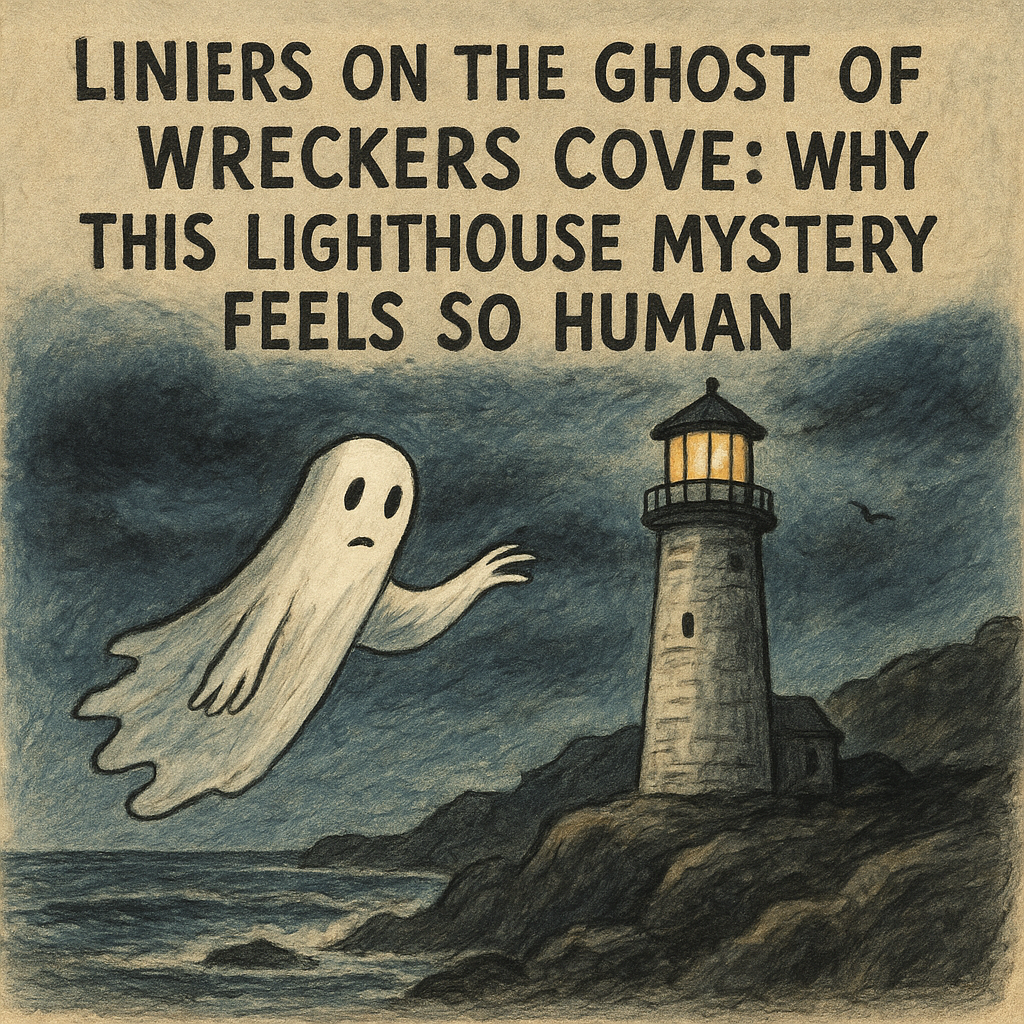
A good ghost story asks two kinds of questions. What happened here. What is happening to me. The Ghost of Wreckers Cove takes both questions seriously and answers them with warmth. The book is a collaboration between the Argentine cartoonist Liniers and his wife, writer and educator Angelica Del Campo. A father and his two daughters spend the summer in an old New England house with a lighthouse in the backyard. Strange details start to collect like shells on a tide line. A door that never sits right. Footsteps that do not belong to anyone awake.
A light that should be off but seems to blink anyway. The girls start to wonder if the light itself is haunted. Curiosity tightens into a summer mystery. What makes this project stand out is the pairing of sensibilities. Readers who know Macanudo understand that Liniers draws with a playful hand and a soft heart. Del Campo understands how young readers test the world. She knows where they find courage and where they need a grownup to stand near. Together they build a story that welcomes first time graphic novel readers and rewards parents who want a book to share at the end of the day.
This feature takes a full look at the project. You will find how the idea came together, why the setting feels so vivid, how the art supports fear without tipping into nightmare, who will enjoy the book most, and why this creative team is suited to tell a lighthouse ghost story that carries both chills and comfort.
The Premise: A Summer House With Questions
The setup is simple. A father decides that a slow summer near the sea will be good for his daughters. The rental is unusual. The backyard leads to a lighthouse that once guided boats into a hard little cove. The first week is all errands and sunscreen and the thrill of a new place. Then the questions arrive. Each clue is small on its own. Together they form the heartbeat of a mystery that never forgets the family at its center.
The plot moves through discovery rather than shock. The sisters collect stories from locals. They visit a library that smells like salt and paper. They test tiny theories. Is the ghost a keeper who stayed on duty after death. Is it a shipwreck survivor who never made it home. Is it something older that the lighthouse only woke up. The joy comes from the way the book treats each question as a chance for connection. The girls talk to each other in the frank code of siblings. The father listens and takes them seriously. The ghost waits for them to be ready.
How The Project Began: Partnership At The Desk And The Dinner Table
Creative marriages have a rhythm. One person sees a spark. The other knows where to shelter it from the wind. Liniers brings decades of drawing experience and an instinct for the visual joke that turns fear into curiosity. Del Campo brings classroom experience and an ear for how kids ask big questions with small words. Their collaboration reads like a family conversation shaped into a book. Scenes feel observed rather than invented. The father packs the car the way real parents do. The girls call each other out for small cheats and small bravery. Even the ghost feels like an old neighbor with a story to tell if you bring the right question.
From a craft point of view, you can feel their process on the page. The script trusts the art to carry mood. The art respects the script’s pacing. Jokes land in the corners where a nervous reader most needs a breath. Exposition shows up as a game rather than a lecture. This respect between words and pictures is what makes the book read with ease. You never feel pushed. You feel guided.
Why A Lighthouse Works: Geography Of Fear And Care
A lighthouse is a perfect stage for a gentle haunting. It exists to keep people safe. It stands alone but for the lives around it. It holds the past in its machinery and the present in its beam. The Ghost of Wreckers Cove uses that layered purpose to make its scares feel earned. Wind becomes a voice because the tower is tall and hollow. Water becomes a mirror because the cove keeps it still. The spiral stairs become a ritual because the keeper once climbed them every night. The girls are not trapped. They are invited. The light calls them to look harder, then to look closer still.
The house itself matters. It creaks like old boats. Its windows remember storms. The kitchen is a shelter where fear cools down during hot chocolate breaks. The backyard is a threshold between the ordinary and the unknown. When the family walks down to the rocks, the book slows to the rhythm of tide pools. When they climb the tower, the panels tighten and the gutters narrow. You feel your feet on each step.
Visual Language: Gentle Lines And Honest Shadows
Liniers draws fear with empathy. Faces stay open. Bodies move like real kids. He prefers suggestion to spectacle. A smudge of gray in the lens instead of a full apparition in the doorway. A rope that sways when nothing else does. Even the lighthouse feels animated, as if it can breathe. That choice keeps the book accessible to readers who want a thrill without nightmares. The unknown looks near, not monstrous.
Composition does important work. Wide panels give you space to breathe by the ocean. Thin vertical panels climb the tower with you. Word balloons shrink when voices drop to whispers. Sound effects feel hand placed rather than loud. When the ghost finally speaks, the lettering hints at distance and time, not at menace. The result is mood first, then meaning.
The Heart Of The Story: Curiosity, Courage, Care
Ghost stories often rely on dread. This one relies on care. The sisters look out for each other. The father provides steady presence. The locals do not mock belief. They share fragments of history and let the kids join the adult conversation. The fear that shows up is the fear you get when you step into a room you do not know. It asks for courage, not bravado. The book treats bravery as listening, noticing, and returning after you learn something hard. That is a healthy model for young readers. It also feels true for adults who remember what it took to make the dark interesting rather than unbearable.
The ghost is not a jump scare on repeat. It is a question about work, memory, and the way places keep stories even when people forget. The sisters want to help, not to defeat. The father wants to understand, not to dismiss. The town wants to honor, not to hide. This moral center gives the final chapters a glow that lingers after you close the book.
Who The Book Is For: New Readers And Family Read Alouds
The Ghost of Wreckers Cove wears its welcome on the cover. Early graphic novel readers will follow the clear paneling and friendly faces. Middle grade readers will enjoy the puzzle and the sense of agency. Parents will recognize a safe arc that never insults a child’s intelligence. Teachers and librarians will find natural prompts for discussion. What makes a good question. How do we respect history. What does it mean to keep watch. The book can carry a full class period or a quiet bedtime chapter with equal grace.
If you read it aloud, the dialogue flows like real talk. The sisters interrupt each other in fast scenes and leave roomy pauses during careful ones. The father speaks with patience and humor. Even the ghost has a rhythm you can perform without theatrical tricks. Each chapter ends with a page turn that invites another. If you need a stopping point, you will find one. If you want to keep going, the story rewards you.
How It Connects To Liniers’s Body Of Work
Fans of Macanudo will recognize the mix of whimsy and reflection. Small details carry big feelings. Margins come alive with little visual jokes that keep the mood hopeful. The shift to a focused mystery format shows growth. The pages feel designed for long form pacing. Jokes never undercut the stakes. Instead they protect the reader and the characters at the same time. You feel the hand of an artist who has drawn every day for years and still finds surprise in a line.
Del Campo’s influence shows in how the sisters think. Their questions arrive in clean language. Their emotions change with believable speed. Curiosity leads, fear follows, then curiosity returns stronger. That cycle mirrors real classroom moments when a student wants to know something enough to risk being wrong. The book honors that risk.
Craft Notes: Pacing, Structure, And The Ethics Of Scares
A respectful ghost story keeps consent and comprehension in view. The Ghost of Wreckers Cove models this ethic through structure. Each discovery follows a choice. The girls choose to ask a question. They choose to climb the stairs. They choose to open the drawer. The story does not punish them for wanting to know. It shows them how to handle what they learn. When fear spikes, the book offers a return to safety. A parent’s voice. A warm kitchen. The rhythm says you can step into the dark and step back out.
The pacing uses quiet scenes as anchors. Morning walks to the pier. A stop at the library. A chat with an old keeper’s friend who folds paper boats while he talks. These scenes create trust. When the story tightens, you already care about the people inside it. The final act pays that care back by tying the haunting to a human need rather than a cruel trick.
What Young Readers Learn Without Feeling Taught
The themes are clear without banners. History can be local and alive. Grief can look like duty. Courage can sound like a question. Families solve problems better when they share what they feel. Lighthouses are machines, yet they are also promises that someone is watching. The book does not preach. It lets the lighthouse do the talking. The story encourages readers to visit real places, ask caretakers what they know, and imagine the lives behind old objects. That is the kind of literacy that lasts.
A Practical Reading Guide For Families
Start with the cover. Ask what a lighthouse does. Ask what the title makes you feel. After the first chapter, pause to predict what the ghost might want. Keep a small notebook for clues. At breakfast the next day, let kids lead a recap. What changed. What stayed the same. When you meet the ghost’s story near the end, talk about what duty means. Who keeps watch in your own family. Close the book with a beach walk if you can, even if it is only a walk through a city park where someone once cared for something that mattered.
Final Thoughts: A Haunting That Heals
The Ghost of Wreckers Cove understands that mystery is not the opposite of comfort. It is another path to it. The book respects the fears kids carry and the questions they ask. It trusts parents to be present without solving every problem. It uses art that invites rather than overwhelms. It places a lighthouse at the center not only as an eerie prop but as a symbol for steady care. By the last page you feel that the ghost has been seen and that the living have learned how to look with more patience.
Liniers and Angelica Del Campo make a strong team. Their craft meets their purpose. The result is a graphic novel that families can share in one long afternoon or in a week of short nights. It leaves you with the feeling that stories do not haunt to hurt. They return to be heard. If you want a gentle scare with a human pulse and an afterglow of gratitude, Wreckers Cove is worth the climb to the light.