


Introduction
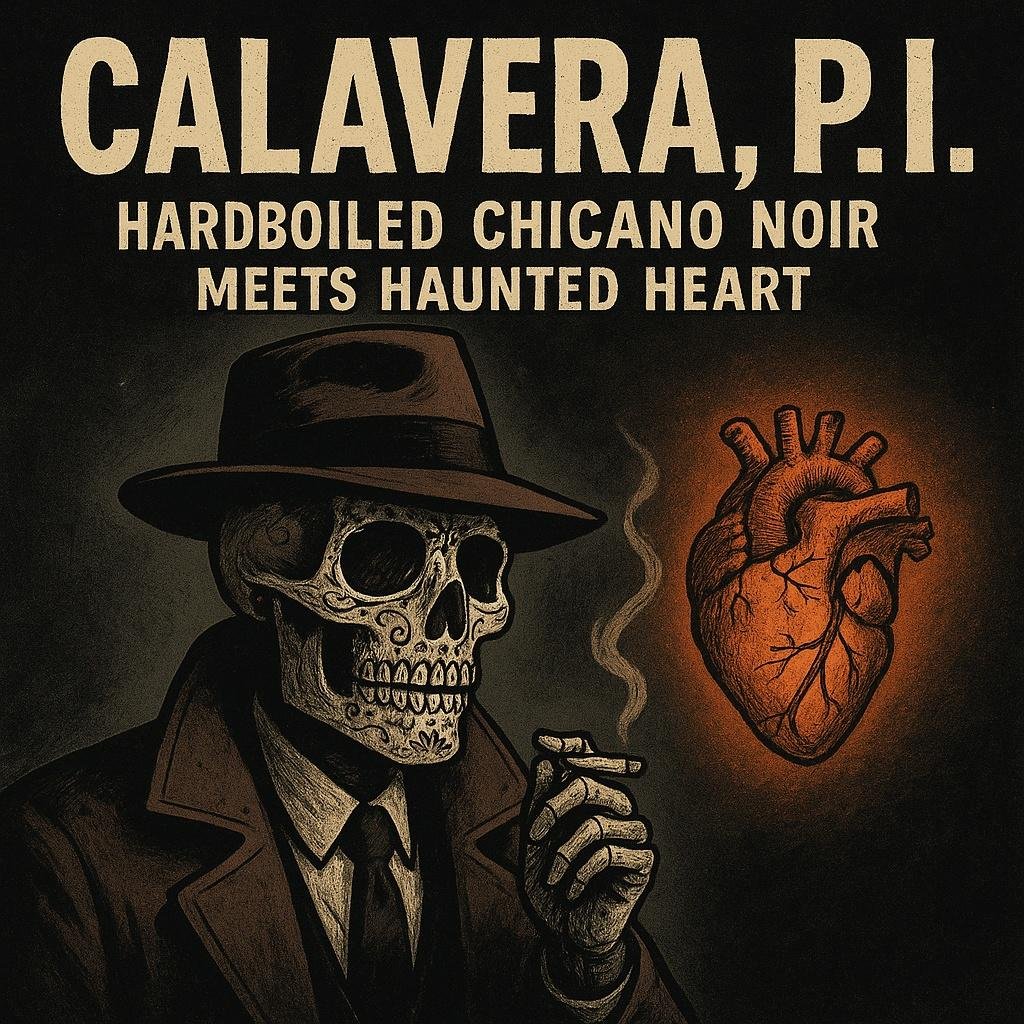
Some stories feel like they were waiting for the right creator to show up and claim them. Calavera, P.I. belongs to that small club. Written, illustrated, and colored by Marco Finnegan, it takes a classic private investigator frame and threads through it a living tradition of Mexican horror, the melodic pull of telenovelas, and the everyday wonder of magical realism. The result is a supernatural detective tale that reads like late night television in a neighborhood living room where the lights are low, the coffee is strong, and the dead still swing by to check on the living.
This review explains what makes Calavera, P.I. distinctive and why it deserves a place on the shelf of readers who love horror with heart. You will find a close look at the book’s influences, an analysis of story and structure, insights into the art and color decisions that carry the mood, and a clear verdict on who will enjoy it most. Along the way, we will connect the book to a broader tradition of Chicano noir and Latin American narrative forms that treat the uncanny as part of daily life rather than a special event.
What Calavera, P.I. Is About
Calavera is a working investigator whose final case ends with his death. That is not the conclusion of the story. It is the doorway. On the Day of the Dead, he returns to the border between the seen and the unseen, pulled back by a call for help from a former colleague who is chasing a kidnapping. The case slides across timelines and neighborhoods, through cross streets where candles flicker in windows and murals remember people who once took this same route. The premise sounds simple. Its power comes from how Finnegan braids personal grief, communal memory, and hardboiled resolve into the investigation.
Calavera is not a superhero. He is a presence. He can press forward when a living detective would be turned away. He can listen where others only hear silence. The story uses those edges with restraint, which keeps the stakes grounded in human decisions. The theme is not death as spectacle. It is love as a tether. The return is not a cheat. It has a cost, and the book is honest about what that means for the living who still have to go to work in the morning.
Why The Influences Matter
Readers who grew up with classic Mexican horror will recognize the way tone shifts are used to keep tension elastic. In films like La Llorona and the ghost stories of the sixties, fear is often cut with a knowing smile or a domestic moment. Not because the creators cannot hold a serious mood, but because horror functions as a mirror for real life and real life includes dinner, teasing, and family arguments about nothing and everything. Calavera, P.I. echoes that rhythm. A tight interrogation can give way to an unexpected aside. A chill can land, then soften, then return with more force. That is experience speaking. It comes from knowing how these stories have lived on page and screen across decades and across languages.
The same is true for magical realism. Finnegan does not pause the book to explain rules that would crush the wonder out of the premise. He treats the return as the sort of extraordinary ordinary that one accepts in order to keep moving. That approach is not vague. It is precise. It matches how many Latin American narratives invite readers to accept the strange as part of the social fabric, then trust the characters to carry the weight of meaning.
The Hardboiled DNA
Underneath the candles and the ofrendas sits a classic detective engine. Calavera asks questions, checks the paper trail, follows contradictions, tests alibis, and takes a punch. The clues are not riddles for the reader to decode so much as emotional breadcrumbs. In hardboiled fiction the point is often less about solving a puzzle and more about exposing a web of harm that people would rather leave covered. Finnegan writes the investigation with that ethos. The kidnapping becomes a map to stress points in a community: money that goes missing, men who are more frightened than they look, women who have already done the hard math and are waiting to see if help arrives in time.
There is also the genre’s moral stance. The classic private eye operates with a personal code. Calavera follows one as well, though his is sharpened by the knowledge that time is not unlimited. His questions do not just seek information. They test whether someone still has a chance to do the right thing before the night is over.
A Chicano Lens
The book is not a generic ghost procedural. It is specific. Language choices, neighborhood textures, family rituals, and a sense of obligation to community are handled with care. Calavera’s voice is not dipped in nostalgia, but he remembers what came before and keeps score on who helped when it mattered. That is a Chicano noir posture. The investigator is not simply a lone wolf. He is a member of a network of people who share food, watch each other’s kids, and step into harm’s way when harm arrives. The story respects that solidarity without turning it into sermonizing. It shows it. It lets friends argue, mentors disappoint, and survivors find moments of humor that are earned.
Art That Carries the Mood
Finnegan’s page design does serious storytelling work. The line art is confident, but it is the color that sets the meter of the book. In the land of the living the palette leans into sunbaked neutrals, kitchen tile greens, and the fluorescent pallor of institutional spaces. When Calavera crosses thresholds the color lifts into marigold golds, candlelight ambers, and deep violets that read as liminal. Those choices cue the reader without ever yelling. You feel the temperature change before a word explains it.
Faces are expressive in small ways. Tired eyes. A mouth set tight to hide fear. The visual language of grief reads clearly, particularly in panels where a character is alone. Finnegan understands when to pull back for a wide shot that gives context and when to push into a cramped close up that makes the air feel thin. The action beats do not overwhelm the page. They punctuate it. The best horror comics understand that motion is less important than pressure. Calavera, P.I. builds pressure and lets panels release it at the last possible second.
The Day of the Dead As Structure
Choosing the Day of the Dead is not just a thematic flourish. It is a structural choice. The holiday compresses time and raises emotional stakes for characters who keep the tradition not as a seasonal novelty, but as part of how they navigate the past year. The book uses that compression to move quickly while still stopping for quiet moments at altars and in kitchens. The investigation becomes a set of conversations with the living and the remembered, with all the contradictions that follow. People do not become saints because they are gone. They become complicated again. That complexity helps the case open in unexpected directions.
Character Work That Lands
Calavera is memorable, but the book is careful to give the supporting cast dimensionality. The former colleague who pulls him back into the world is competent, angry, and pragmatic. A grieving parent is not an abstraction. Their choices matter. A neighborhood kid watches more than adults realize and says the sort of blunt thing that cuts to the truth. Even the antagonists refuse to flatten into stock villains. They want something that makes sense inside their own logic. That is what makes them dangerous.
Dialogue is quick without lapsing into quips that ignore pain. People talk like they are trying to get through the night with some dignity left over. That tone fits the genre and adds to the credibility of the world.
Pacing and Composition
The first chapter sets the hook fast. The middle stretch breathes. Finnegan toggles between the footwork of the case and the thresholds of the supernatural. He avoids the trap of building a brilliant opening that the rest of the book cannot match. The late chapters accelerate toward a resolution that feels inevitable in hindsight without being predictable on the first read. You can sense the outline discipline behind the scenes. Each location advances either the plot or the theme, and often both.
Lettering helps pace the eye. Sound effects are spare and precise. Captions never crowd the art. When the book needs to slow down the panel grid steadies into a rhythm that invites a longer look. When it needs to sprint, gutters widen and angles sharpen.
What The Book Leaves You With
Horror can be frightening. Noir can be bitter. Calavera, P.I. refuses to flatten into either extreme. It takes hurt seriously while also leaving space for care. The lingering feeling after the last page is not shock for its own sake. It is a quiet recognition that the living owe the dead a certain attentiveness and that the dead, in return, can sometimes nudge the living toward courage. That exchange is the emotional center of the book.
Who Will Enjoy Calavera, P.I.
Readers who love classic detective stories will find a familiar chassis with fresh fuel. Fans of Latin American horror will recognize a tone that honors the tradition without copying it. If you appreciate comics that use color and layout to carry meaning, you will have plenty to study here. The book is also a strong pick for readers who want supernatural elements anchored in neighborhoods that feel lived in. It is suspenseful without cruelty, atmospheric without fogging the page, and heartfelt without sentimentality.
If you are new to Chicano noir or to Mexican horror influences, Calavera, P.I. works as a gateway. It explains itself through character and consequence rather than exposition. You do not need a glossary. You only need to care about whether a missing person is found and whether the people who loved them get the answers they deserve.
Conclusion
Calavera, P.I. stands out because Marco Finnegan delivers the whole package. The script respects the audience. The art makes choices that reinforce the story instead of competing with it. The colors guide emotion like a soundtrack. Most importantly, the book understands that fear and love often arrive in the same hour, especially on a night when doors feel thinner and memories feel close enough to touch.
If you have been waiting for a supernatural detective comic that speaks with a Chicano voice and carries the weight of tradition with grace, this one belongs on your reading list. Calavera, P.I. is not just a clever genre blend. It is a confident, resonant tale about duty, memory, and the stubborn hope that refuses to fade, even when the candles burn low.